Source Eco-Friendly 75pcs Kitchen Utensil Set for cooking, baking, and serving
Compare 30 listings of Eco-Friendly 75pcs Kitchen Utensil Set options made from stainless steel, aluminum, and plastic. Buyers can review certifications like FDA and LFGB, customization availability, and MOQs ranging from 100 to 1000 units for professional cooking tools.
Key considerations
Products List
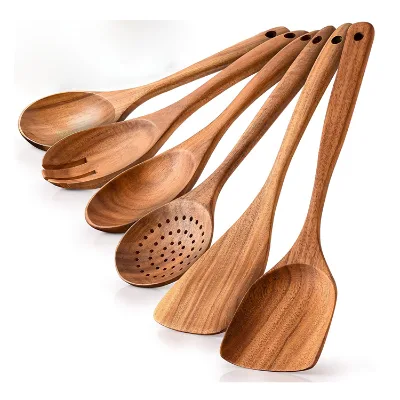


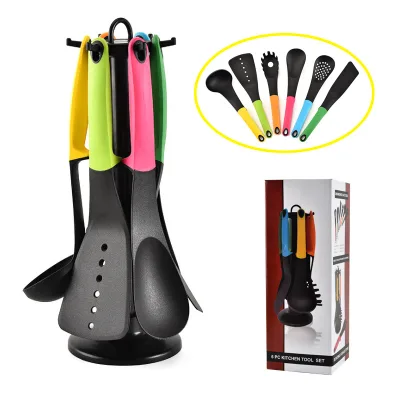
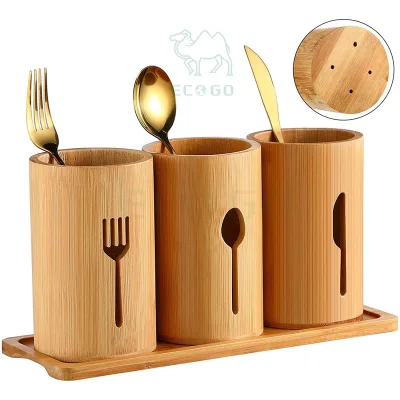
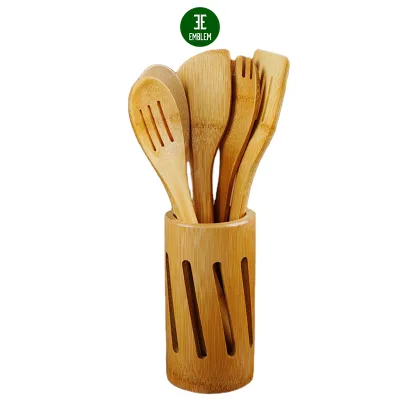
Non-Stick Silicone Kitchen Tool Set, Kitchen Tools, Cooking Utensils Kitchenware
$10.60 - $13.80
MOQ: 1000 Pieces

11PCS Food Grade Nylon Kitchen Utensils Set, Cooking Kitchenware Set, Cookware
$3.56 - $3.88
MOQ: 1000 Pieces









Comprehensive Sourcing Guide
Strategic Sourcing Guide for Eco-Friendly 75-Piece Kitchen Utensil Sets
Sourcing a 75-piece kitchen utensil set that balances high functionality with eco-friendly principles requires a rigorous understanding of material science, regulatory compliance, and supply chain transparency. The market for "eco-friendly" cookware and utensils has expanded significantly, yet buyers must navigate a landscape where terminology is often used loosely. A comprehensive 75-piece set implies a complete solution for a professional or high-volume residential kitchen, encompassing everything from spatulas and ladles to specialized tools for baking and serving. When evaluating suppliers for such a complex order, the focus must shift from simple price comparisons to a holistic assessment of material integrity, certification validity, and production scalability. This guide outlines the critical factors for procurement professionals to consider when identifying and vetting suppliers for these specialized cooking sets.
Material Composition and Structural Integrity
The foundation of any eco-friendly kitchen utensil set lies in its material composition. In the context of sustainable sourcing, the primary materials observed in the current market include stainless steel, aluminum, and various plastics designed for durability and safety. Stainless steel is frequently cited as a premium option due to its longevity, resistance to corrosion, and lack of chemical leaching. Sets utilizing stainless steel often feature a "natural wood" aesthetic in their packaging or complementary handles, which adds to the eco-friendly narrative by utilizing renewable resources. However, it is crucial to distinguish between the core structural material and the handle material. While the functional tools may be constructed from stainless steel or aluminum, the handles might incorporate wood or plastic components.
Aluminum is another common material, particularly for lighter-weight tools that require specific thermal properties. When aluminum is used, surface treatments such as gold-plating may be applied to enhance aesthetics or provide a non-stick surface. Buyers must verify that any aluminum components are coated with food-safe materials that do not degrade during high-heat cooking. Plastic components, often used for spatulas or scoops, must be explicitly verified as non-disposable and reusable. The distinction between disposable and non-disposable is a key metric for sustainability; a true eco-friendly set must be built to withstand repeated washing and use over many years, rather than serving as a single-use item. The observed market data indicates that materials range from pure stainless steel to aluminum and plastic, necessitating a clear specification of the desired mix for the 75-piece set.
Compliance and Certification Verification
In the B2B procurement of kitchenware, certification is not merely a marketing badge but a legal and safety requirement. For products intended for food contact, particularly those marketed as eco-friendly, the absence of harmful chemicals is paramount. The most critical certifications to verify include FDA (Food and Drug Administration) and LFGB (German Food and Feed Code) compliance. These standards ensure that the materials used in the utensils do not leach harmful substances into food. Additionally, CE/EU certification indicates compliance with European safety standards, which is essential for exporting to the European market. Some suppliers may also hold CIQ (China Inspection and Quarantine) and EEC (European Economic Community) certifications, which further validate the product's safety and origin.
It is important to note that while some products may claim FSC (Forest Stewardship Council) certification, this is often a low-confidence background attribute and should not be assumed without direct verification from the supplier. Buyers must request current, valid certificates for each specific product model, such as the "Professional Cooking Tools Set-080I" or models like "AJT3177" and "CB-B0124-7." The presence of certifications like FDA and LFGB is a strong indicator of quality, but the scope of these certifications must match the specific materials used. For instance, a stainless steel handle might not require the same certification as a plastic spatula head. Furthermore, the production process itself should be scrutinized; products should be manufactured without Ethylene Oxide Sterilization, as this chemical is often avoided in eco-friendly lines to reduce environmental impact and ensure safety.
Cost Drivers and Pricing Dynamics
The pricing of a 75-piece kitchen utensil set is influenced by a complex interplay of material costs, manufacturing complexity, and order volume. The observed price range in the market spans from $0.75 to $68 per unit, a significant variance that reflects differences in material quality, design intricacy, and brand positioning. The lower end of this spectrum typically corresponds to sets with simpler designs, perhaps using more plastic or basic aluminum, while the higher end likely includes premium stainless steel components, specialized coatings, and elaborate packaging.
Order Quantity (MOQ) is a primary driver of unit cost. The market data indicates a standard MOQ of 100 units for many suppliers, though some may require as few as 1 unit for sampling or as many as 2000 units for bulk production. A 75-piece set is a large inventory item, and the total cost will be heavily dependent on whether the buyer can meet the minimum order thresholds. Suppliers often offer tiered pricing, where the unit cost decreases as the order volume increases. Additionally, customization plays a significant role in cost. If a buyer requires OEM (Original Equipment Manufacturer) logo placement, custom packaging, or specific product standards, the price will reflect the additional tooling and labor required. The lead time, typically around 35 days, also factors into the overall cost structure, as expedited shipping or rush production commands a premium.
Technical Specifications and Product Models
When sourcing a 75-piece set, technical specifications must be defined with precision to ensure the product meets the intended application. The product models available in the market, such as "CB-K0024," "CB-B0325-1," and "IFC01," often come with specific dimensions and standard configurations. For example, some sets adhere to a standard size of 11x11x37cm, while others may be packaged in dimensions of 33x12.5x12.5cm. These dimensions are critical for logistics, storage, and retail display. The "standard" size mentioned in the context suggests a modular approach, but buyers must confirm if the 75-piece count aligns with these physical constraints.
The style of the utensils is another technical consideration. Options range from "Western" styles to "Non-Stick" functional designs. The "Non-Stick" attribute is particularly relevant for cooking applications, as it affects the performance of the utensils in high-heat environments. The packaging specifications are equally important; products may be packed individually in polybags, in color boxes, or in mail boxes. Some suppliers offer customized packing options, which can be a differentiator for branding. The "Eco-Friendly" style attribute often correlates with specific design choices, such as the use of natural wood handles or recyclable packaging materials. Buyers should verify that the "Applicable Scenarios" listed, such as "Cooking" or "Holiday Party," align with their target market's needs.
Supplier Evaluation and Operational Capabilities
Evaluating a supplier for a 75-piece set requires a deep dive into their operational capabilities and reliability. The origin of the products is predominantly China, which is a major manufacturing hub for kitchenware. However, the specific location and the supplier's track record are vital. Buyers should assess the supplier's ability to handle large orders, given the observed MOQs ranging from 100 to 2000 units. A supplier with a consistent lead time of 35 days is preferable, as it allows for better inventory planning. Sample times, typically around 7 days, are also a key metric for evaluating responsiveness.
The supplier's commitment to customization is another critical factor. Many suppliers offer OEM services, allowing buyers to brand the products with their own logos. This capability is essential for building a unique market presence. Additionally, the supplier's approach to environmental protection should be scrutinized. Products labeled as "Reusable" and "Environmental Protection" compliant must be verified through physical inspection and documentation. The "Applicable Range" of the products, whether "General" or specific to certain cooking tasks, should match the buyer's product positioning. A supplier that can provide a wide range of models, from "Scoop Shovel Kits" to full "Cooking Sets," offers greater flexibility in meeting diverse customer needs.
Quality Control and Long-Term Procurement Strategy
Implementing a robust quality control (QC) strategy is essential for maintaining the integrity of the eco-friendly kitchen utensil sets. Given the complexity of a 75-piece set, which involves multiple materials and components, a comprehensive QC plan should cover material testing, dimensional accuracy, and finish quality. Buyers should verify that the products meet the stated standards, such as the "customized" standards or specific dimensions like 11x11x37cm. Regular third-party inspections are recommended to ensure that the products delivered match the samples provided and the agreed-upon specifications.
Long-term procurement considerations involve building a sustainable relationship with suppliers who can scale with demand. The ability to maintain consistent quality over multiple production runs is crucial. Buyers should also consider the lifecycle of the products; eco-friendly utensils should be durable enough to reduce waste and replace disposable alternatives. The "Non-Disposable" attribute must be upheld throughout the product's life. Furthermore, the packaging should be designed to minimize waste, aligning with the "Eco-Friendly" branding. By focusing on these long-term factors, buyers can ensure that their procurement strategy supports both business goals and environmental responsibility.
Comparative Analysis of Product Attributes
To facilitate decision-making, the following table summarizes key attributes observed in the market for 75-piece kitchen utensil sets. This comparison highlights the variations in materials, certifications, and packaging that buyers should consider when selecting a supplier.
| Attribute Category | Observation 1 | Observation 2 | Observation 3 |
|---|---|---|---|
| Primary Material | Stainless Steel | Aluminum | Plastic |
| Certification | FDA, LFGB, CE/EU | FDA, LFGB, CIQ, EEC | FDA, LFGB |
| Style | Eco-Friendly | Non-Stick | Western |
| Packaging | Polybag | Color Box | Color Box, Mail Box |
| MOQ | 100 | 1000 | 1-2000 |
| Lead Time | 35 Days | 35 Days | 35 Days |
| Sample Time | 7 Days | 7 Days | 7 Days |
| Sterilization | Without Ethylene Oxide | Without Ethylene Oxide | Without Ethylene Oxide |
| Origin | China | China | China |
| Customization | Available (OEM) | Available (OEM) | Available (Customized) |
This table underscores the importance of verifying specific attributes against the buyer's requirements. While many suppliers share common traits like lead times and sterilization methods, the material and certification combinations vary significantly. Buyers must align these attributes with their specific market needs and regulatory requirements to ensure a successful procurement outcome. By adhering to these guidelines, procurement professionals can navigate the complexities of sourcing eco-friendly kitchen utensil sets with confidence and precision.
FAQs
What certifications do eco friendly 75pcs kitchen utensil sets have?
These sets typically hold FDA, LFGB, and CE/EU certifications to ensure food safety. Some models also include CIQ and EEC compliance for international trade. Always verify that the specific product model carries valid documentation before ordering.
Which materials are used in these cooking sets?
Manufacturers use stainless steel, aluminum, and durable plastic for construction. Stainless steel offers longevity while aluminum provides lightweight options. Plastic components are designed to be non-disposable and reusable for long-term kitchen use.
Can I customize the logo and packaging for this set?
Yes, OEM logo placement and customized packaging are available for most models. Suppliers offer options like color boxes, polybags, or mail boxes depending on your branding needs. Customization requires meeting specific minimum order quantities to proceed.
What is the minimum order quantity for these utensil sets?
The standard minimum order quantity is 100 units, though some suppliers accept orders as low as one unit for sampling. Bulk orders may require up to 2000 units to secure specific pricing tiers. Always confirm the MOQ with the specific vendor.
How long does it take to receive an order?
The typical lead time is 35 days for production and delivery. Sample preparation usually takes 7 days before bulk manufacturing begins. Expedited shipping options may be available but often incur additional costs beyond the standard timeline.
Are these kitchen utensils suitable for holiday parties?
Yes, many sets are designed for holiday parties and general cooking scenarios. They feature Western styles and eco-friendly attributes suitable for various entertaining needs. Ensure the specific model matches your event requirements before finalizing the purchase.
Do these sets require ethylene oxide sterilization?
No, these products are manufactured without ethylene oxide sterilization to maintain eco-friendly standards. This process avoids harmful chemical residues, ensuring safety for food contact applications. The non-disposable nature of the tools further supports sustainable usage practices.